





























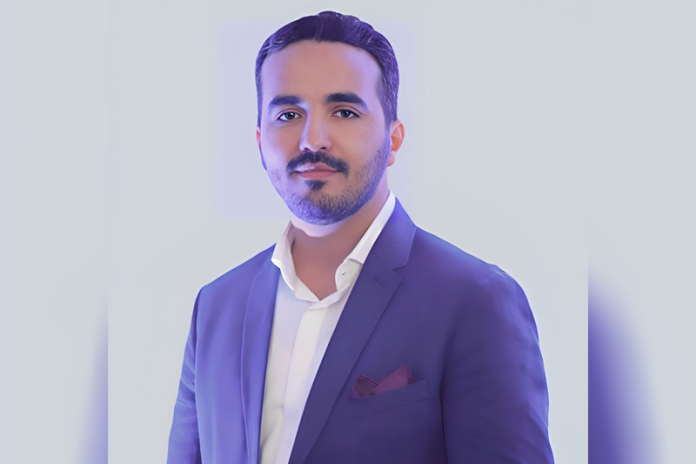


PTI founder, Qureshi sentenced to 10-year jail term in cipher case

- 535
- 0
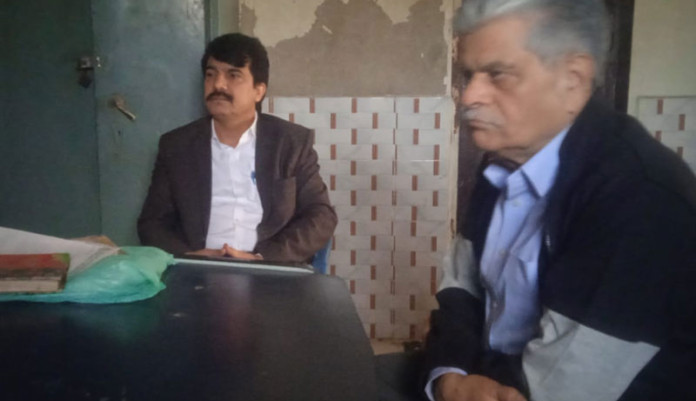
In a closely-watched development, the founder of the Pakistan Tehreek-e-Insaf (PTI) and his close associate, Shah Mehmood Qureshi, were handed a 10-year rigorous imprisonment in the cipher case by a special court operating under the Official Secrets Act.
The succinct verbal verdict came swiftly after the accused provided statements under Section 342 during Tuesday's hearing, despite defense attempts at delay.
Earlier, as the court resumed the cipher case hearing, questionnaires were prepared for the accused to sign, a requirement they refused to fulfill. The PTI founder, however, did present himself for a statement, taking over an hour to present his version.
During the hearing, the judge queried the whereabouts of the cipher. The PTI founder claimed ignorance, stating the document was in his office, violating the Official Secrets Act. This marks the end of a saga that began with the display of a non-original document at a rally, falsely suggesting a foreign conspiracy to remove him.
The sentencing concludes one phase, but the convicted duo has avenues for appeal in higher courts. Simultaneously, PTI moved the Islamabad High Court challenging the appointment of state defense counsel.
In Monday's hearing, the special court completed cross-examination of 11 witnesses, including prominent figures like former foreign secretary Sohail Mehmood. Disruptions ensued during the proceedings, with the accused expressing anger and objection to state-appointed defense counsel, leading to temporary breaks.
The PTI's objection to state counsel appointments resulted in chaos, with Qureshi snatching and discarding the case file and using insulting language. State-appointed counsels Malik Abdul Rehman and Hazrat Younus will represent the accused during cross-examination.
The right to defense became contentious when the FIA prosecutor sought closure of the defense counsel's cross-examination rights, alleging delaying tactics. The prosecutor highlighted witnesses' inconvenience, emphasizing the need for a fair and expeditious trial.