















NOWCommunities leads call for justice in workplaces
- 385
- 0
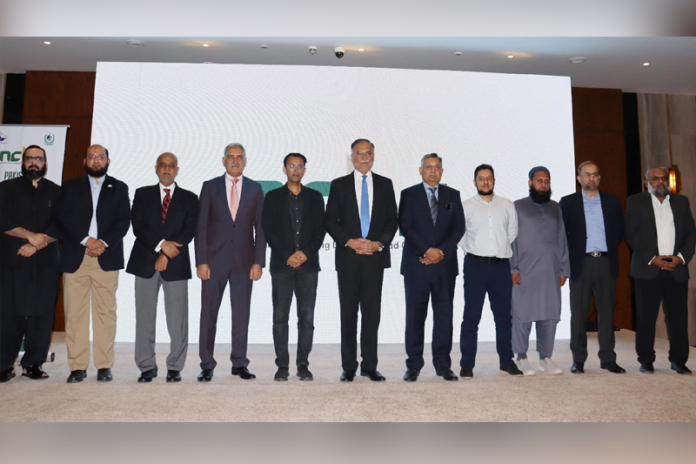
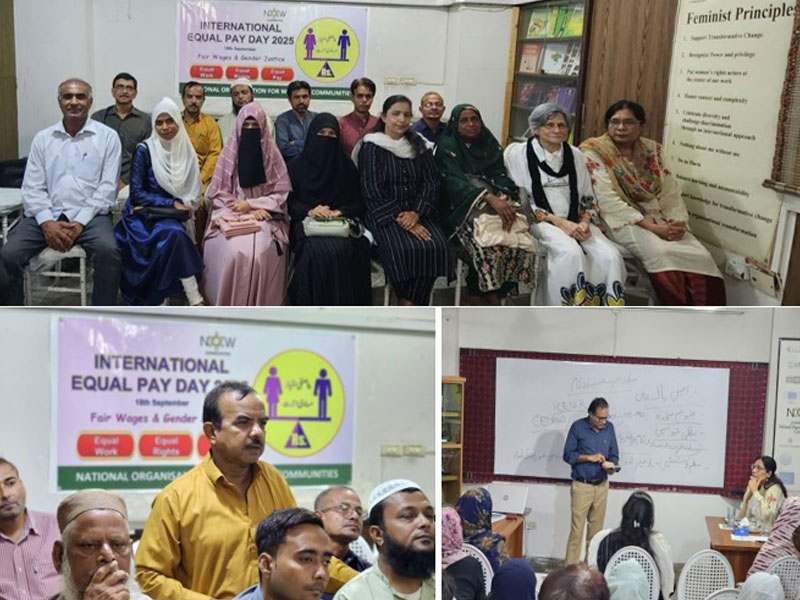
KARACHI: The National Organization for Working Communities (NOWCommunities) observed International Equal Pay Day, reaffirming its commitment to gender equality, women’s empowerment, and fair wages in Pakistan’s labor market.
The objective of observing this day was to highlight the persistent gender pay gap, raise awareness about the economic and social cost of wage discrimination, and emphasize the need to implement international conventions and constitutional guarantees that protect women’s rights at work. NOWCommunities underscored that equal pay for equal work is not only a human rights obligation but also a prerequisite for sustainable economic growth and inclusive development.
Speaking at the occasion, women’s rights activist Mahnaz Rahman said,
“To raise the inclusion of women in Pakistan's labor force, it is essential to ensure equal pay for equal work. Our Constitution makes no distinction between men and women in matters of salary, yet in reality, women — especially factory workers — face extremely low and unjustified wages. We demand that alongside constitutional provisions, Pakistan must fully implement International Labour Organization (ILO) conventions to protect women workers.”
Sharing her inspiring journey, Fatima Majeed, the first female Chair of the Fishermen Cooperative Society (FCS), announced a series of initiatives for women of the fishing communities.
“In FCS, we are opening membership for women and supporting their access to education through scholarships. We are working for the release of arrested fishermen in India while also assisting poor families with daughters’ marriages, helping girls pursue their education, and enrolling hospitals on panel for the free treatment of cancer patients,” said Majeed.
In addition to civil society leaders, male and female laborers from different sectors also participated in the event. They shared painful stories of wage injustice, workplace discrimination, denial of rightful salaries, and the daily struggles they face due to systemic inequality. Their testimonies highlighted how both men and women workers in formal and informal sectors continue to be exploited, underpaid, and deprived of their basic rights.
Representing the government, Reejhumal Sajnani, Law Officer at the Sindh Labour Department, highlighted new policy initiatives:
“The Sindh Government is introducing a comprehensive ‘Labour Code’ that will not only support the principle of equal pay but also address broader issues of workplace discrimination. Any employer violating the law will face strict action and punishment under the legal framework.”
Adding her voice, Farhat Parveen, Executive Director of NOWCommunities, stressed the urgency of collective action:
“Equal pay is not a privilege, it is a right. Women’s economic contribution is undervalued despite their critical role in every sector, from factories to fisheries. Addressing wage gaps and workplace discrimination is central to building an equitable society. NOWCommunities stands committed to amplifying women’s voices and ensuring that policies are translated into real justice for working women.”
The event concluded with a call for stronger alliances between civil society, government, and labor unions to eliminate the gender pay gap in Pakistan, ensuring that women workers receive the dignity, recognition, and fair compensation they deserve.